Communal Area Cleaning in E8
If you manage or live in a shared building in E8, you already know how quickly entrances, stairwells, landings, and bin areas can start to look tired. Foot traffic, muddy shoes, cyclists coming and going, pets, mail deliveries, and everyday use all leave a mark. That is why Communal area Cleaning in E8 matters so much for landlords, residents’ associations, block managers, housing providers, and commercial property owners who want their shared spaces kept presentable, hygienic, and easier to maintain.
In busy parts of E8, shared spaces often have to work hard. Flats above shops, converted Victorian houses, newer apartment blocks, mixed-use buildings, and estates near transport links all experience different cleaning challenges. A good cleaning service should do more than make things look tidy for a day; it should support the day-to-day running of the building, reduce complaints, and help residents feel that the property is cared for. That is exactly the kind of practical support local customers tend to look for.
Whether you need regular communal cleaning, a one-off deep clean, or a tailored schedule for a block with heavy use, the right local team can make a noticeable difference. From Hackney Central and London Fields to Dalston borders and neighbouring parts of East London, property owners often want a service that understands access issues, shared responsibilities, and the importance of reliable attendance. When communal areas are cleaned consistently, the whole building feels better run.
Why communal area cleaning matters in E8
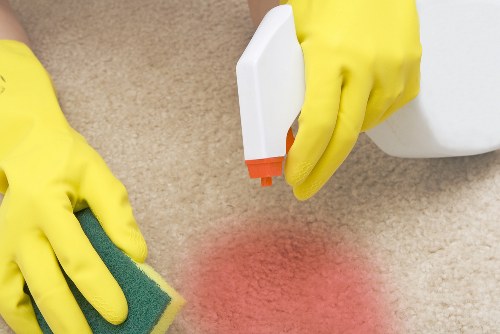
Shared spaces are often the first thing people see when they enter a building, and they shape how the entire property is perceived. A clean hallway, polished handrail, and swept entrance can make a modest block feel welcoming and well managed, while a neglected area can quickly create frustration among residents. In E8, where many properties combine older architecture with modern living patterns, regular upkeep is especially important because wear and tear can show quickly on floors, paintwork, glass, and metal fixtures.
Communal cleaning also supports hygiene. In buildings with multiple households, surfaces are touched constantly: door handles, intercoms, bannisters, lift buttons, bin store doors, and post room access points. Dust, litter, spills, and residue can build up fast. A professional cleaning routine helps control these issues before they become bigger problems. It also makes it easier for residents and visitors to use the space comfortably.
There is also a practical property-management angle. Clean communal areas can help reduce complaints, improve relationships between tenants and landlords, and support the overall care of the building. Small, regular cleaning tasks can prevent larger problems later. For shared properties in E8, that means less time spent reacting to issues and more time keeping the building in good order.
What our communal area cleaning service includes
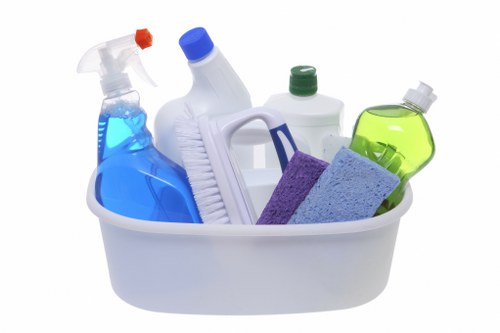
Every property is different, but most customers want a flexible service that covers the everyday jobs that keep shared areas looking and feeling clean. A typical programme for communal area cleaning in E8 may include a combination of dusting, vacuuming, sweeping, mopping, wiping surfaces, and targeted cleaning of high-touch points. The aim is to keep the building pleasant for residents, visitors, and anyone using the property.
Depending on the layout and requirements of the building, a service may also include litter picking, cleaning internal glass, wiping skirting boards, sanitising contact points, clearing cobwebs, and keeping entrances tidy. If the property includes lifts, mail areas, or shared corridors, these parts of the building usually need particular attention because they see frequent use. Consistency is often more valuable than occasional heavy cleaning.
Some buildings also need support with bin areas, refuse stores, or cycle storage rooms. These are spaces where odours, spills, and debris can quickly become noticeable. A proper communal cleaning plan should take them into account if required. In a mixed-use building or a busy residential block, it is often the quieter, less visible corners that need the most careful attention.
Typical tasks can include:
- Sweeping and mopping entrance halls and corridors
- Vacuuming stairs, landings, and carpeted areas
- Cleaning bannisters, handrails, door handles, and switches
- Wiping down internal glass, mirrors, and low-level surfaces
- Dusting skirting boards, ledges, and fixtures
- Removing litter and keeping shared spaces presentable
- Cleaning lifts, lobby areas, and post rooms where applicable
- Supporting bin store and refuse area upkeep
Types of buildings we clean in E8

E8 has a mix of property styles, and that variety affects how communal spaces need to be cleaned. Older converted buildings often have narrow staircases, timber surfaces, and decorative features that need careful attention. Modern apartment blocks may have glazed entrances, lift lobbies, and secure access systems that require regular wipe-downs and attention to detail. Flats above commercial premises can bring extra dirt from footfall, deliveries, and customer traffic below.
In areas around Hackney Central, London Fields, and nearby streets towards Dalston, communal spaces are often used by residents with active lifestyles. That means bikes, pushchairs, pets, and frequent comings and goings can all add to the cleaning workload. Commercial-managed buildings may need more structured visits, especially where a lot of visitors pass through during the day. Different buildings call for different routines, and that flexibility is important.
Residential and commercial customers both benefit from a local cleaning team that understands the different pressures on each type of property. For landlords, managing agents, freeholders, and resident-led buildings, the service may need to focus on consistent presentation and dependable maintenance. For business premises with shared entrances or common facilities, the emphasis may be on hygiene, first impressions, and making sure staff and visitors encounter a tidy environment.
Common property types in and around E8
- Purpose-built apartment blocks
- Converted townhouses and period terraces
- Ex-local authority estates and managed housing blocks
- Mixed-use buildings with shops or offices below flats
- Studios and smaller residential developments
- Buildings with internal or external access corridors
Why local knowledge matters for communal cleaning

Choosing a cleaning provider familiar with E8 and the surrounding streets can make the process smoother from the start. Local teams are better placed to understand the practical realities of the area: parking restrictions, access codes, narrow entrances, shared courtyards, loading challenges, and the need to work around residents’ schedules. When cleaners know how a neighbourhood works, it is easier to plan visits that are efficient and respectful of the building.
In busy parts of East London, timing matters. Some properties need early morning visits before people leave for work; others are better suited to daytime cleaning when communal areas are less crowded. A local team can often adapt more easily to those patterns. This helps reduce disruption for residents and ensures cleaning fits the building rather than the other way around.
Local knowledge also matters when it comes to problem-solving. Shared properties in E8 can have awkward stairwells, limited bin access, communal entrances with strong footfall, or areas that need extra care because they are prone to dust and debris. A team used to working in the area can assess these challenges quickly and build a sensible schedule around them. That kind of practical awareness is often what clients value most.
How the service works

Most customers want a straightforward process. First, the property requirements are discussed so the cleaning schedule can reflect the size of the building, how many residents use it, and what areas need attention. Some blocks may need weekly visits; others may require more frequent cleaning because of foot traffic or shared facilities. A clear plan helps avoid confusion and ensures everyone knows what is being covered.
Next, the cleaning routine is agreed. This may include specific tasks for different visits, such as focusing on high-touch surfaces one day and stairwell cleaning or litter removal another day. Buildings with changing needs often benefit from a tailored approach rather than a one-size-fits-all routine. Good communal cleaning should feel organised, not improvised.
Once the schedule is in place, the service should run consistently, with attention to timing, access, and communication where necessary. If the building has entry codes, key holding arrangements, or specific instructions for contractors, those details should be handled carefully. Property managers and residents generally want a service that arrives prepared, carries out the agreed tasks, and leaves the communal areas in a better condition after each visit.
Typical service process
- Discuss the building layout, cleaning needs, and preferred visit frequency
- Agree on the tasks to be included in the regular cleaning plan
- Set access arrangements and any building-specific instructions
- Carry out cleaning visits at the agreed times
- Review the schedule if the building’s needs change over time
What makes a good communal cleaning schedule?
A reliable schedule should reflect how the building is actually used. A small conversion with a handful of flats does not need the same level of attention as a larger block with a high volume of residents and visitors. The frequency should be based on footfall, location, type of flooring, and the presence of shared facilities. For some properties, weekly cleaning is enough; for others, multiple visits are sensible.
It is also important to separate visible cleaning from deeper maintenance tasks. Daily-looking surfaces may need regular wiping, while less visible areas such as corners, behind doors, or under stair rails may need periodic deeper attention. When both are handled properly, the building stays cleaner for longer. This is particularly useful in E8, where many shared buildings have a mix of older finishes and modern features that all need different care.
Another factor is seasonal change. Rain, leaves, mud, and winter salt can all affect entrances and walkways. In warmer months, dust and litter may become more noticeable around doors and windows. A well-planned cleaning routine should adapt to these changes rather than stay rigid all year.
Things to think about when setting a schedule
- How many households use the communal spaces
- Whether visitors, deliveries, or customers pass through regularly
- How much dirt is brought in from outside
- Whether the building has carpet, hard flooring, or mixed surfaces
- How often bin areas need attention
- Whether the property has lifts, internal corridors, or shared lounges
Preparation checklist for residents and managers
Good communication helps communal cleaning run smoothly. Residents and building managers do not usually need to do much, but a little preparation can make access easier and improve the result. If the cleaning team knows where to park, which entrance to use, and how to access secure areas, time is used more effectively and the job can be completed without unnecessary delays.
Before a visit, it helps to make sure communal spaces are reasonably clear of personal items that might block vacuuming or mopping. Pushchairs, bikes, shoe racks, parcels, and loose storage in shared corridors can all make cleaning harder and may create trip hazards. Keeping shared spaces clear is part of keeping them clean.
It is also sensible to report any specific issues in advance, such as stains on carpets, spillages, broken fittings, unusual odours, or areas that need extra attention. That allows the team to prioritise jobs properly. In a busy block, this kind of preparation makes the service more efficient and ensures the right tasks are covered first.
Helpful preparation steps
- Keep corridors and landings free from personal items where possible
- Make sure access instructions are clear
- Report problem areas before the visit
- Let residents know the cleaning schedule if needed
- Ensure communal bins and refuse areas are accessible
Pricing factors for communal area cleaning in E8
Customers often ask what affects the cost of communal cleaning. While exact pricing depends on the building and the work required, several clear factors usually shape the quote. These include the size of the communal area, the number of floors, the frequency of visits, and whether additional tasks such as lift cleaning or bin store maintenance are needed.
Access can also affect the quote. Buildings with restricted entry, key management, or awkward parking arrangements may need more planning. Likewise, properties with heavy footfall, carpeted stairs, internal glass, or multiple entrances may require more time to clean properly. The right quote should reflect the actual work involved, not just a basic estimate.
Another factor is the condition of the property. A well-maintained block with regular visits may only need routine cleaning, while a communal area that has been neglected for some time may need an initial deep clean before regular maintenance begins. That is why a tailored assessment is often the most sensible starting point.
Common pricing factors include:
- Property size and number of communal zones
- Cleaning frequency required
- Flooring type and level of wear
- Access arrangements and site logistics
- Extra tasks such as lift, window, or bin area cleaning
- Initial condition of the communal spaces
Why choose a local company for E8 communal spaces?
There are real advantages to using a local company for communal area cleaning in E8. Local cleaners are more likely to be familiar with the layout of the neighbourhood, the pace of the streets, and the practicalities of working in residential and mixed-use buildings. That familiarity can lead to smoother service delivery and better punctuality, especially where access and parking are limited.
Local companies can also be more responsive when schedules need adjusting. If a building has a one-off issue, a change in resident use, or a seasonal increase in dirt and litter, a nearby team is often better placed to respond quickly. For property managers, that can make day-to-day coordination much easier.
There is also reassurance in dealing with a provider that understands local expectations. In E8, many residents care about presentation, shared responsibility, and respectful working in occupied buildings. A local team that is used to these expectations can help maintain a professional standard while keeping disruption low. That balance is important in buildings where people live closely together.
Local service benefits at a glance
- Better understanding of E8 property types and access constraints
- More practical scheduling around local traffic and building use
- Helpful for landlords, managing agents, and resident-led blocks
- Useful for mixed-use properties and busy shared entrances
- Flexible support for regular or one-off cleaning needs
Areas covered around E8
Communal area cleaning is often requested across E8 and surrounding East London locations where there is a strong mix of apartment blocks, conversions, and commercial properties. If your building sits near key local routes, transport links, or neighbourhood centres, a nearby cleaning team can usually plan visits around practical access and property use. This is especially useful where buildings are close to busier streets and shared spaces need regular upkeep.
Customers in nearby areas may also look for the same type of service for buildings with similar needs: shared halls, stairs, entrances, lifts, and refuse areas. Whether the property is part of a modern development or an older terrace conversion, the aim remains the same: keep communal areas clean, welcoming, and well cared for. That consistency supports residents and helps the property make a strong everyday impression.
If you manage multiple buildings, a local provider may also be able to create a consistent cleaning arrangement across different sites in and around E8. That can help simplify communication and keep standards aligned across a portfolio. For many clients, simplicity and reliability are just as important as the cleaning itself.
Common nearby service areas may include:
- Hackney Central
- London Fields
- Dalston borders
- Homerton nearby routes
- Parts of Bethnal Green and Shoreditch edges where relevant
- Other nearby East London residential and mixed-use properties
Residential and commercial customers
Communal cleaning needs vary depending on who uses the building. Residential customers often want clean stairwells, tidy entrances, and regular attention to shared areas that affect everyday living. Managing agents and landlords may be focused on consistency, access management, and avoiding complaints. For these customers, dependable routine cleaning can make a real difference to tenant satisfaction and building presentation.
Commercial customers may need communal cleaning in office buildings, mixed-use developments, or premises where staff and visitors share lobbies, corridors, kitchens, or washroom access areas. In these settings, appearance and hygiene are closely linked. A clean shared environment reflects well on the building and supports a more professional atmosphere. Regular upkeep is often easier than dealing with visible build-up later.
Whatever the type of customer, the service should be shaped around the actual use of the property. Busy properties need more frequent attention; quieter buildings may need a lighter, well-planned routine. Matching the cleaning plan to the property is what makes the service useful.
What to expect from a professional result
A professional communal cleaning service should leave shared areas visibly improved without causing disruption. Floors should be cleaned properly, handrails and touchpoints should feel fresh, and dust should not be left to build up in corners or on fixtures. The overall effect should be a cleaner, calmer, more cared-for environment for everyone using the building.
You should also expect a practical approach. Communal spaces are used by many people, so they need cleaning methods that work in occupied buildings. That means attention to detail without overcomplicating the process. The best results are usually straightforward, regular, and reliable.
In E8, where many properties have character features or compact layouts, a careful cleaner will take note of materials and surfaces before starting work. Timber steps, painted walls, tiled lobbies, carpet runners, and metal fixtures all need different handling. That level of care helps protect the building as well as improve its appearance.
Good results often look like this:
- Cleaner and more welcoming entrances
- Fewer visible marks, dust, and debris
- Better presentation for residents and visitors
- Reduced build-up in high-use shared spaces
- Improved hygiene on touched surfaces
Frequently asked questions
How often should communal areas be cleaned?
It depends on the size of the building, how many people use it, and how quickly dirt builds up. Some blocks only need weekly cleaning, while busier buildings may need more frequent visits. A tailored schedule is usually the best approach.
Do you clean both residential and mixed-use buildings?
Yes, communal area cleaning is often arranged for residential blocks, mixed-use buildings, converted properties, and other shared spaces in and around E8. The tasks can be adjusted to suit the type of property.
Can bin stores and refuse areas be included?
They often can be, depending on the service arrangement. These areas are important because they can affect odour, hygiene, and the overall impression of the building.
What if our building has difficult access or parking issues?
That is common in E8 and nearby parts of East London. A local service can usually work around access instructions, entry codes, and parking restrictions with proper planning.
Can cleaning be arranged around resident schedules?
Yes. Many customers prefer cleaning times that minimise disruption, such as early morning or off-peak visits. The schedule can often be adjusted to suit the building.
Do we need to prepare the communal areas first?
Usually only basic preparation is needed, such as keeping shared spaces clear of personal items and making access arrangements available. Reporting problem areas ahead of time can also help.
Ready to arrange communal cleaning for your E8 property?
If your shared areas need regular care, a one-off refresh, or a cleaning plan that fits the way your building is used, now is the right time to act. A well-kept communal area helps residents, improves the look of the property, and reduces the stress that comes from ongoing mess or complaints. For many local customers, the difference is immediate and noticeable.
Whether you manage a small conversion, a larger apartment block, or a mixed-use property in E8, a local cleaning service can help keep the space in good condition. If you want a cleaner entrance, tidier stairs, and a more organised shared environment, contact us today to discuss your requirements and request a free quote.
Book your service now if you are ready to improve the presentation and upkeep of your communal spaces. A simple conversation about your property can be the first step toward a more reliable cleaning routine that works for residents, managers, and visitors alike.