Health and Safety Policy for Cleaners E8
 This health and safety policy for cleaners in E8 sets out the standards, responsibilities, and safe working practices expected across all cleaning activities. The aim is to protect cleaners, clients, building occupants, and anyone who may be affected by cleaning operations. A well-managed cleaning safety policy supports consistent service quality while reducing the risk of injury, exposure to hazardous substances, slips, trips, and other common workplace incidents.
All cleaning work should be planned and carried out with a clear focus on prevention. That means using suitable equipment, following safe methods, and reporting hazards promptly. Every cleaner is expected to act responsibly, take care of their own safety and that of others, and follow instructions on site. This applies whether the task involves routine domestic cleaning, office upkeep, communal areas, or specialist surface care.
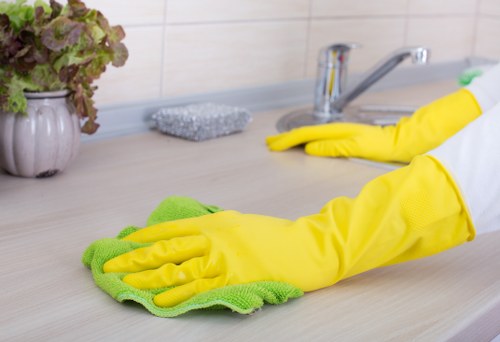 The policy also applies to cleaning materials, tools, and equipment used during service delivery. Products must be stored correctly, used in the right amounts, and never mixed unless the label specifically allows it. Cleaners should understand the purpose of each product, the basic risks involved, and the correct protective measures. A strong cleaners health and safety policy reduces unnecessary exposure and helps maintain a safer, more reliable service.
Responsibilities and Safe Working Practice
Managers and supervisors are responsible for making sure cleaning tasks are assessed properly and that workers receive appropriate information, instruction, and supervision. This includes checking that equipment is maintained, safety procedures are available, and risk controls remain effective. Cleaners, in turn, must cooperate with these arrangements and use safe working methods at all times. The policy works best when everyone follows the same safety standards.
Before starting any job, cleaners should inspect the area for obvious hazards such as wet floors, damaged flooring, clutter, unstable furniture, exposed cables, or poor lighting. If any danger is identified, the task should be paused until the risk is controlled or reported. Particular care should be taken when working near the public, in occupied spaces, or where children, older adults, or vulnerable people may be present. In these settings, patience and awareness are essential parts of the cleaning health and safety policy.
 Appropriate personal protective equipment, or PPE, must be used whenever needed. This may include gloves, aprons, eye protection, masks, or non-slip footwear depending on the task and materials used. PPE should be clean, correctly fitted, and replaced when damaged. Wearing the right protective items is not optional when the risk assessment identifies them as necessary. Cleaners should also wash hands regularly, avoid touching the face unnecessarily, and follow hygiene procedures after handling waste or chemicals.
Equipment, Chemicals, and Incident Control
Cleaning equipment should be used only for its intended purpose and checked before and after use. Faulty cables, broken handles, leaking containers, or damaged mop heads can all create preventable hazards. Any unsafe item must be taken out of service and reported immediately. Safe lifting and carrying techniques should also be used when moving supplies, particularly where water containers, vacuum units, or stocked trolleys are involved.
Chemical safety is a major part of health and safety for cleaners. All products must be labelled clearly and stored away from heat, food, and unauthorised access. Cleaners should never transfer substances into unmarked containers. When a product requires dilution, the correct ratio must be followed carefully. Spills should be cleaned up promptly and safely, using the correct materials and disposal methods. If a cleaner experiences irritation, breathing difficulty, dizziness, or another adverse reaction, the task must stop and help should be sought.
Accidents, near misses, and dangerous conditions must be reported as soon as possible so that action can be taken and similar incidents can be prevented. This includes slips, trips, cuts, chemical splashes, and any equipment malfunction. Records should be kept in line with internal procedures, helping improve future risk control. A consistent cleaners safety policy depends on honest reporting and rapid response rather than blame.
Training, Hygiene, and Emergency Preparedness
All cleaners should receive suitable training for the tasks they perform. Training should cover safe use of equipment, chemical handling, manual handling, infection control, emergency actions, and the correct way to report concerns. Refresher training may be needed when procedures change, new products are introduced, or an incident shows that extra support is required. Good training builds confidence and reduces avoidable mistakes.
Hygiene standards are equally important. Cleaning cloths, mops, and reusable tools should be maintained properly to prevent the spread of contamination. Waste should be segregated and removed in a controlled manner. Where specialist cleaning is required, additional precautions may be necessary to protect workers and occupants. Cleaners should always follow site rules and remain alert to changing conditions throughout the shift. 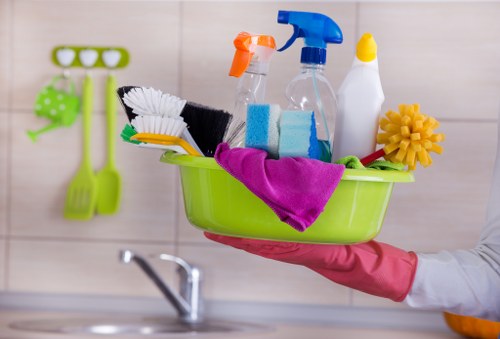 This is especially important in busy environments where schedules, access, and occupancy can change quickly.
Emergency planning is a core part of the policy. Cleaners must know what to do in the event of fire, spillage, medical emergency, or evacuation. They should be familiar with alarm procedures, escape routes, and safe assembly points. If a task becomes unsafe, the cleaner should stop work immediately and move to a place of safety. Preparedness helps ensure that cleaning services remain controlled even when unexpected situations arise.
Review and Continuous Improvement
 This policy should be reviewed regularly to make sure it remains effective, practical, and suitable for the work being carried out. Reviews may be triggered by changes in equipment, substances, work routines, or incident patterns. Cleaners and supervisors should support this process by sharing observations about hazards and suggesting safer ways of working. Continuous improvement helps strengthen the overall health and safety policy for cleaning teams and keeps standards aligned with day-to-day realities.
Ultimately, the success of this policy depends on consistent application. Safety is not a one-time task but a daily responsibility shared by everyone involved in the cleaning process. By following safe systems, using equipment correctly, respecting hygiene rules, and reporting problems early, cleaners can protect themselves and others while delivering a dependable service. A clear and practical cleaning safety policy is essential to professional, responsible, and sustainable work.